Quick Answer (for people who won’t scroll)
If you claimed the Earned Income Tax Credit (EITC) or the Additional Child Tax Credit (ACTC), the IRS is legally required to hold your entire refund until after February 15 each year. This rule does not apply if you only claimed the regular Child Tax Credit (CTC).
What the PATH Act Does (Plain English)
The Protecting Americans from Tax Hikes (PATH) Act is a federal law that requires the IRS to delay refunds for returns that include:
- EITC (Earned Income Tax Credit)
- ACTC (Additional Child Tax Credit)
The delay applies to your entire refund, not just the portion tied to those credits.
The law has been in place since 2017 and applies every year unless Congress changes it.
Key Points (Read This Before You Panic)
- The IRS cannot legally release your refund before February 15 if you claimed EITC and/or ACTC.
- This does not apply to everyone with children. If you only claimed the CTC, PATH rules do not apply to you.
- The delay applies even if:
- You filed early
- Your return was accepted
- Your bank normally pays “early”
- PATH is a law, not an IRS policy — the IRS does not have discretion here.
How to Check If PATH Applies to You
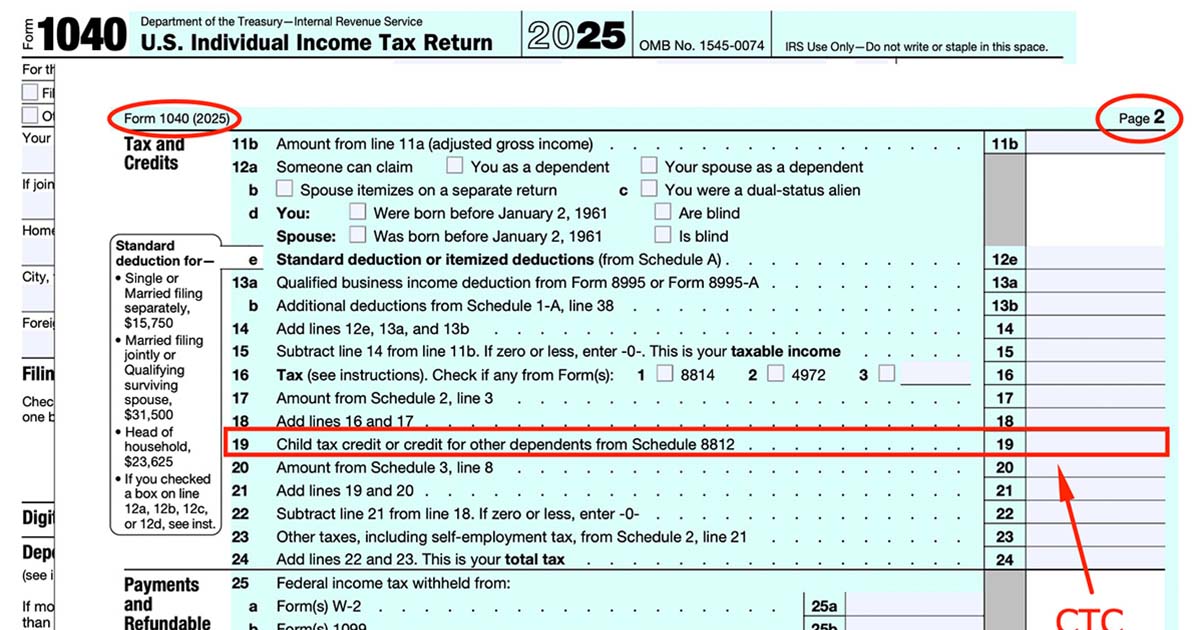
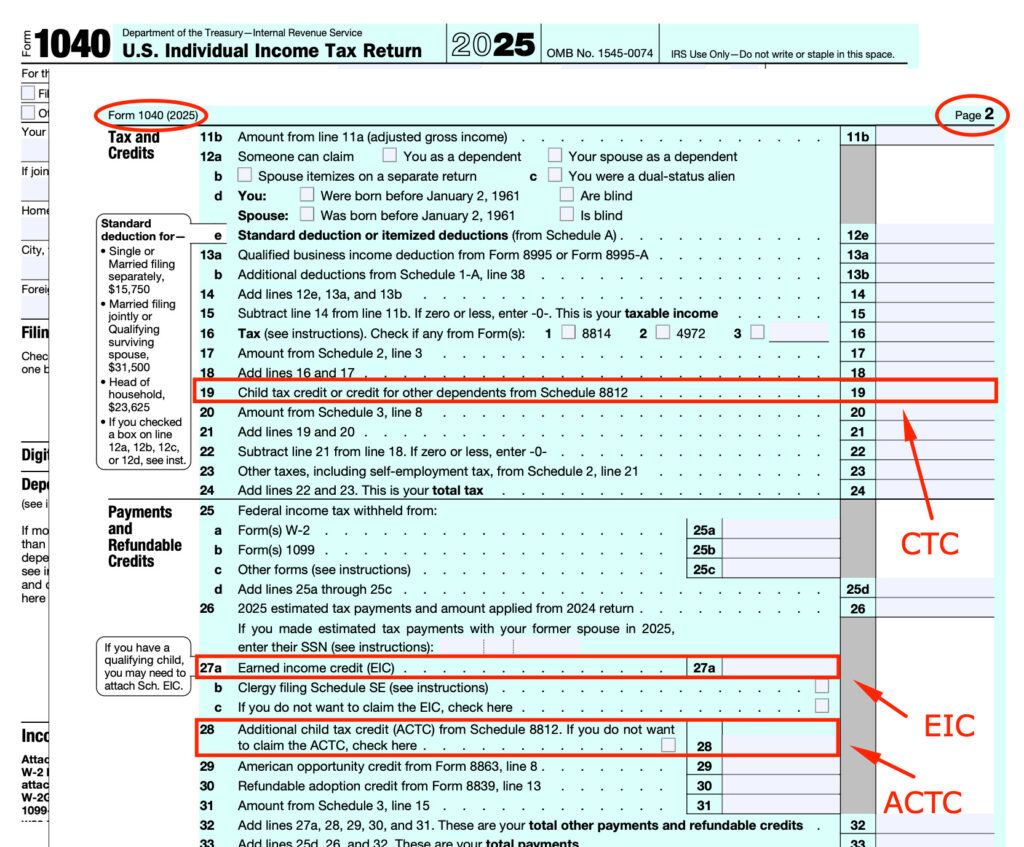
Look at Form 1040, Page 2 on your tax return.
If you see amounts on any of these lines, PATH rules apply:
- Line 19 — Child Tax Credit (CTC)
- Line 27a — Earned Income Credit (EIC)
- Line 28 — Additional Child Tax Credit (ACTC)
📌 If your refund includes EIC (27a) or ACTC (28), your refund is held until after February 15.
When PATH Lifts (What Actually Changes)
PATH restrictions lift after February 15. That does not mean everyone is paid instantly — it means the IRS can finally start releasing refunds in batches.
Quick Timeline (for most people)
Most people will see this flow:
- ~February 18: Transcripts update with “Refund Issued” (TC 846)
If you don’t see 846, you may see other transaction codes first — this is normal.
👉 See what those codes mean: IRS Transcript Transaction Codes Guide - ~February 19: Where’s My Refund (WMR) updates with your deposit date.
- ~February 18–20: The earliest direct deposits may appear for people using No Hold Banks (NHB)
Daily & Weekly Filers (Cycle Codes Ending 01–04)
- Transcripts update: ~February 18
- “Refund Issued” (TC 846) appears
- WMR updates: ~February 19
- Deposits: ~February 20
- Some NHB banks: funds may show as early as February 18
Weekly Filers (Cycle Codes Ending 05)
- Transcripts update: ~February 20
- “Refund Issued” (TC 846) appears
- WMR updates: ~February 21
- Deposits: ~February 26
- Some NHB banks: funds may show as early as February 20
These dates are based on historical IRS processing patterns. The IRS can shift timing without notice.
Why “Where’s My Refund” Feels Useless
During PATH week, WMR often stays stuck on:
“Still being processed”
That’s normal.
- Transcripts update first
- WMR updates later
- Banks sometimes deposit before WMR changes
If you want real-time movement, transcripts usually tell the story before the IRS front-end tools do.
First-Time Claiming EITC or ACTC?
This catches a lot of people off guard.
If this is your first year claiming these credits, the delay can feel like something is “wrong” — but it’s just PATH doing what the law requires.
Official Source (For the “I Don’t Trust Blogs” Crowd)
The Protecting Americans from Tax Hikes (PATH) Act of 2015 was passed as part of the Consolidated Appropriations Act of 2016 and became effective for Tax Year 2016.
The first affected refunds were issued in February 2017.
IRS Reference:
Track Refund Timing
📊 Refund Cycle Charts
Refund Cycle Chart
We update charts and timelines the moment the IRS moves.
Join the Conversation
Want to see when deposits actually start hitting?
This is where real-world movement shows up first every season.
🍇 Enter the Grapevine (Live Comments and Updates in Real Time)
💬 Forum Discussions
Create a topic, compare timelines, and track patterns with other filers.
Where’s My Refund
If your refund is delayed because of the Path Act, you can expect a message on the IRS Where’s My Refund (WMR) tool until February 19th when those returns start to be released. It will show this message:

According to the Protecting Americans from Tax Hikes (PATH) Act, the IRS cannot issue refunds before mid-February for tax returns that claim the Earned Income Tax Credit or the Additional Child Tax Credit. This applies to the entire refund, even the portion not associated with these credits.
Check Where’s My Refund in mid-to-late February for your personalized refund status. It’s updated once a day and remains the best way to check the status of your refund.
Please read the following information related to your tax situation: